
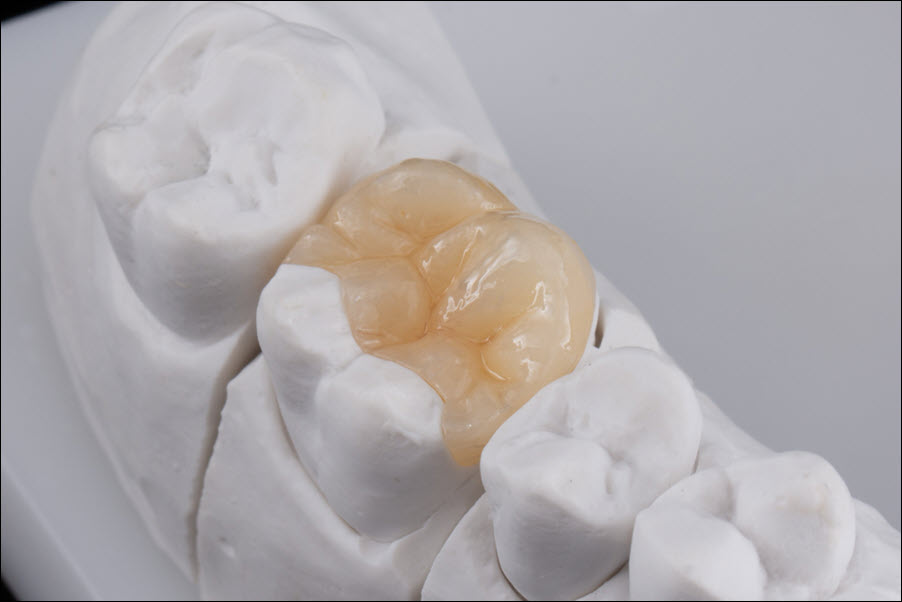
When treating damaged teeth, dentists use several restorative options. Fillings, inlays, and onlays each serve unique purposes depending on the extent of decay or fracture. Patients often wonder about the differences and which option suits their situation. Understanding these treatments helps patients feel informed and comfortable with their dentist’s recommendations.
Traditional Fillings
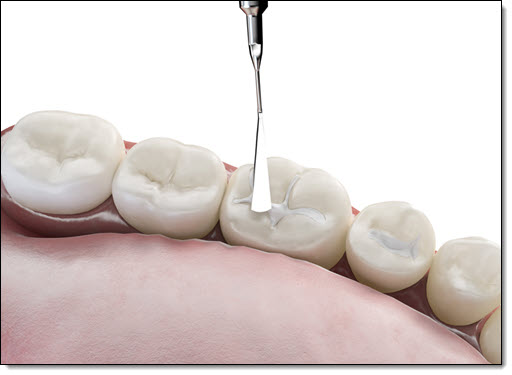 Fillings are the most common solution for small cavities. The dentist removes decayed material and fills the space with composite resin, amalgam, or other materials. Composite fillings are tooth-colored, blending naturally with surrounding enamel. Fillings are quick, affordable, and effective for minor repairs. However, they may not provide enough strength for larger areas of damage. Over time, fillings may need replacement, especially if wear or cracking occurs.
Inlays for Moderate Damage
Inlays are larger than fillings but smaller than onlays. They repair damage that extends into the chewing surface between cusps without covering the entire tooth. Dentists use impressions or scans to create custom inlays, typically made of porcelain, ceramic, or composite resin. Inlays offer greater strength and durability compared to traditional fillings. They fit precisely into the prepared space, restoring both function and appearance while preserving more natural tooth structure than a full crown.
Onlays for Larger Restorations
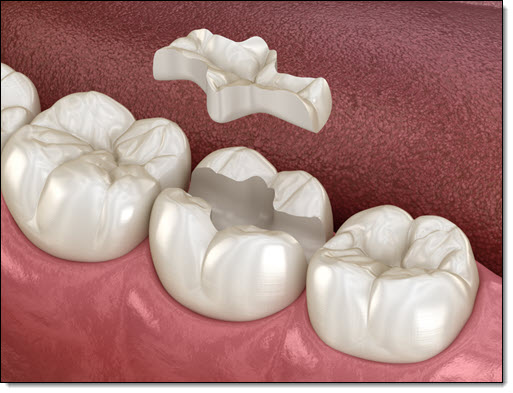 Onlays cover one or more cusps of a tooth, providing support for significant damage. They act as a middle ground between inlays and full crowns. Like inlays, onlays are custom-made for an exact fit. Because they cover more surface area, onlays strengthen teeth at risk of breaking. Onlays are ideal for patients with moderate to severe decay who do not yet require a crown. They balance durability with conservation of natural enamel.
Choosing the Right Option
Dentists recommend treatments based on damage severity, tooth location, and patient preferences. Fillings work well for small cavities, while inlays and onlays provide longer-lasting strength for larger repairs. Cost, appearance, and durability all play roles in the decision. Discussing these factors ensures patients choose the solution that best meets their needs.
Fillings, inlays, and onlays all restore teeth but serve different purposes. By understanding their differences, patients can make informed choices that protect their teeth effectively. Each option preserves oral health while balancing function and aesthetics.
