

Healthy gums are the foundation of a healthy smile. However, gum disease can develop gradually and may cause few noticeable symptoms during its early stages. Without proper care, it can progress and damage the tissues and bone that support your teeth.
At Boiling Springs Family Dental, we help patients recognize, prevent, and manage gum disease in Boiling Springs, PA. Knowing the warning signs can help you seek dental care before the condition becomes more advanced.
What Is Gum Disease?
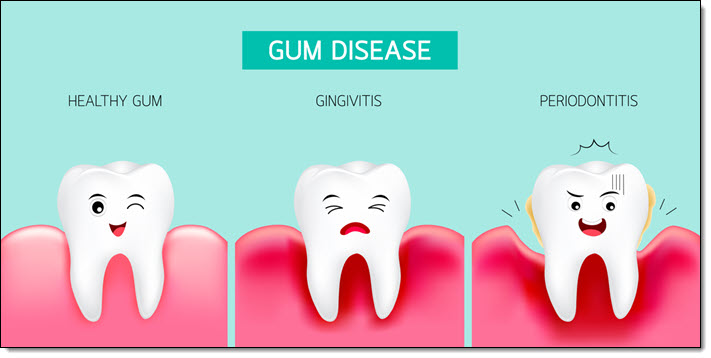
Gum disease, also known as periodontal disease, is an infection and inflammation of the tissues surrounding and supporting your teeth. It commonly begins when plaque accumulates along the gumline.
The earliest stage is called gingivitis. At this point, gums may become red, swollen, tender, or prone to bleeding. Gingivitis can often be reversed with improved oral hygiene and professional dental care.
If left untreated, gingivitis may progress to periodontitis. This more advanced form of gum disease can damage the tissues and bone that hold your teeth in place.
What Are the Signs of Gum Disease?
Because early gum disease may not cause pain, it can be easy to overlook. Watch for changes in the appearance or condition of your gums.
Common warning signs include:
- Red, swollen, or tender gums
- Bleeding while brushing or flossing
- Persistent bad breath
- Receding gums
- Teeth that appear longer than before
- Sensitivity near the gumline
- Pus around the teeth or gums
- Loose or shifting teeth
- Changes in the way your teeth fit together
If you notice any of these symptoms, schedule a dental examination rather than waiting for the problem to improve on its own.
What Causes Gum Disease?
Plaque buildup is a primary cause of gum disease. When plaque is not thoroughly removed through brushing and flossing, it can harden into tartar. Tartar cannot be effectively removed with normal brushing and requires professional cleaning.
Several factors may also increase your risk, including tobacco use, poor oral hygiene, genetics, certain medications, and some health conditions.
Regular dental visits allow your dental team to monitor your gum health and identify changes that may require attention.
How Is Gum Disease Treated?
Treatment depends on how far the condition has progressed. Gingivitis may be addressed with professional dental cleanings and improved brushing and flossing at home.
More advanced periodontal disease may require a deeper cleaning procedure known as scaling and root planing. This treatment removes plaque and tartar from below the gumline and smooths the tooth roots to help the gums heal.
Patients with advanced disease may require additional periodontal treatment or more frequent maintenance appointments.
How Can You Keep Your Gums Healthy?
Prevention begins with good daily oral hygiene. Brush twice a day with fluoride toothpaste and clean between your teeth every day. Avoid tobacco products and maintain regular dental examinations and professional cleanings.
Most importantly, do not ignore bleeding gums. While occasional irritation can occur, frequent bleeding deserves professional attention.
Gum Disease Care in Boiling Springs, PA
Early detection and treatment of gum disease can help protect the foundation of your smile and reduce the risk of permanent damage.
Boiling Springs Family Dental provides preventive and periodontal care for patients in Boiling Springs and surrounding Cumberland County communities. If you have bleeding gums, persistent bad breath, gum recession, or other signs of gum disease, contact our office to schedule an evaluation.
