Fortifying Smiles: The Vital Role of Fluoride Treatments
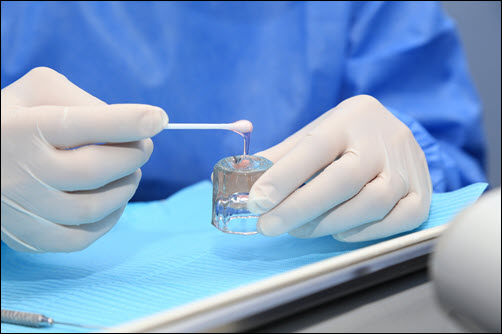
Fluoride treatments are important for both adults and children. Here's why.
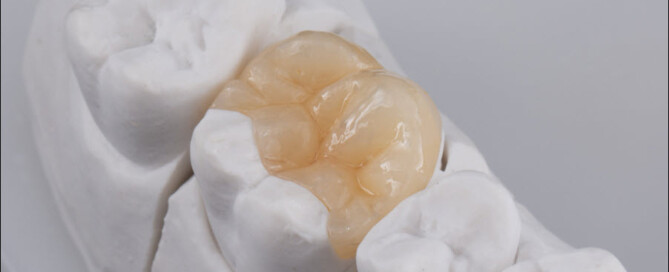
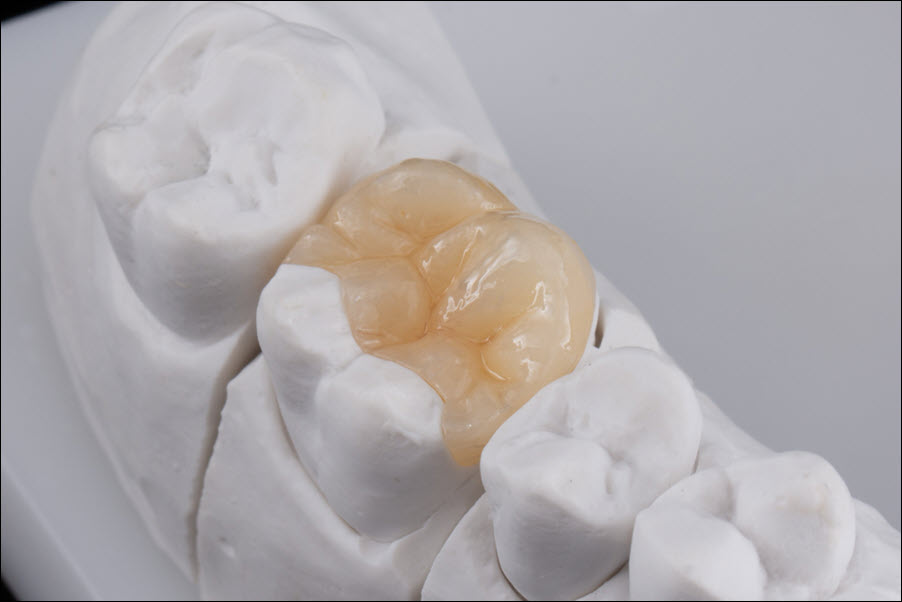
When treating damaged teeth, dentists use several restorative options. Fillings, inlays, and onlays each serve unique purposes depending on the extent of decay or fracture. Patients often wonder about the differences and which option suits their situation. Understanding these treatments helps patients feel informed and comfortable with their dentist’s recommendations. Traditional Fillings Fillings are the
Patient education is vital for successful dental care. While verbal explanations help, visual tools create greater impact. Intra-oral photos have become one of the most effective ways to educate patients. These detailed images show patients what’s happening inside their mouths, improving understanding and motivating better oral hygiene. Making Conditions Visible Many dental problems, such as
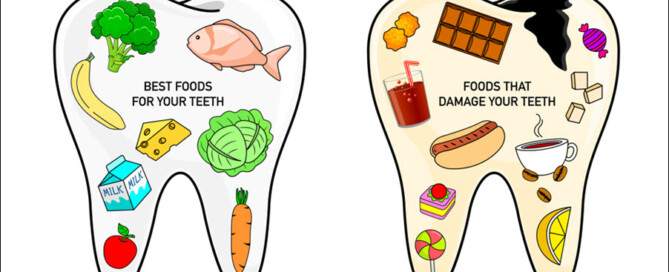
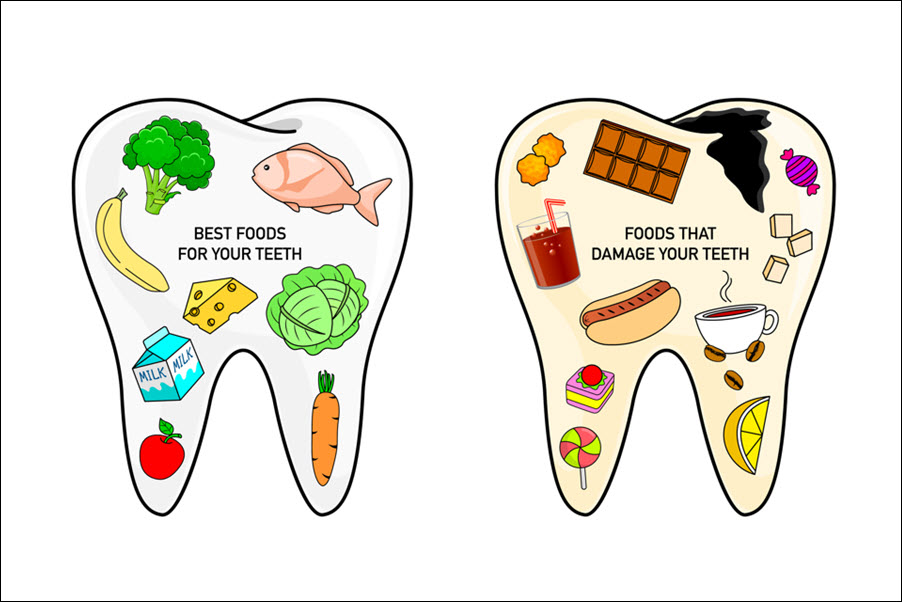
Bad breath, or halitosis, is a common problem that affects confidence and social interactions. While poor oral hygiene is often blamed, diet plays a major role. Certain foods release compounds that linger in the mouth and bloodstream, producing strong odors that brushing alone cannot remove. Understanding which foods contribute to bad breath allows patients to
A beautiful smile depends on more than just teeth. Gum shape and proportion also influence appearance. Excessive gum tissue, often called a “gummy smile,” can make teeth appear small or uneven. Gum contouring reshapes the gumline for better balance and aesthetics. Patients considering this procedure often wonder if it’s right for them. Understanding the benefits
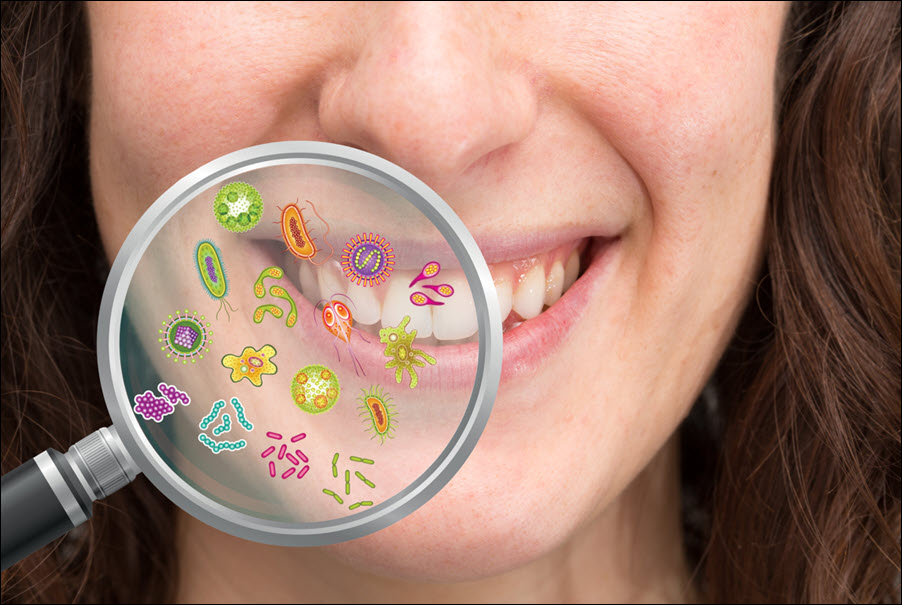
Gingivitis is the early stage of gum disease caused by plaque buildup along the gumline. It leads to red, swollen, and bleeding gums. Poor oral hygiene, smoking, and certain health conditions increase the risk of gingivitis. Early detection and treatment prevent it from progressing to periodontitis, which causes tooth loss and bone damage. Brushing, flossing,
Dental crowns restore damaged teeth and improve smile appearance. Crowns cover and protect teeth weakened by decay, fractures, or large fillings. Dentists shape crowns to match natural teeth, improving both function and appearance. Crowns strengthen teeth, improve bite alignment, and protect against further damage. Made from porcelain, ceramic, or metal, crowns resist wear and last
Routine professional dental exams protect oral health and prevent serious dental problems. Regular checkups detect early signs of cavities, gum disease, and oral infections. Dentists clean plaque and tartar buildup, improving gum health and strengthening enamel. Professional exams identify issues before they become painful or expensive to treat. Early detection prevents tooth loss and reduces
Dental bonding strengthens teeth and improves smile appearance. Dentists apply a tooth-colored resin to repair chips, cracks, and discoloration. Bonding protects tooth enamel and improves overall tooth strength. The resin blends with natural teeth, creating a seamless, natural look. Bonding covers exposed roots, reduces sensitivity, and fills gaps between teeth. Unlike veneers and crowns, bonding
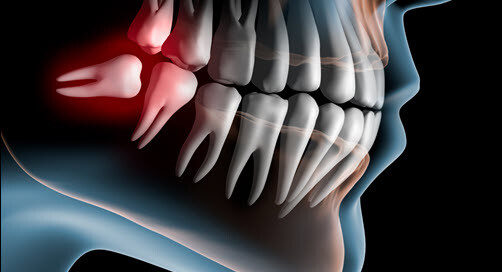
Dental implants offer a permanent solution for missing teeth. Unlike bridges, crowns, or dentures, implants provide a strong and natural feel. An implant consists of a titanium post placed in the jawbone, acting as an artificial root. The implant supports a custom crown, creating a stable and lifelike replacement. Dental implants prevent bone loss, improve